


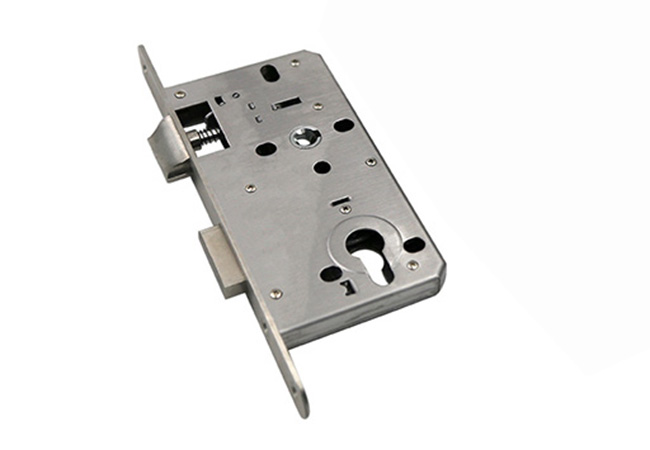
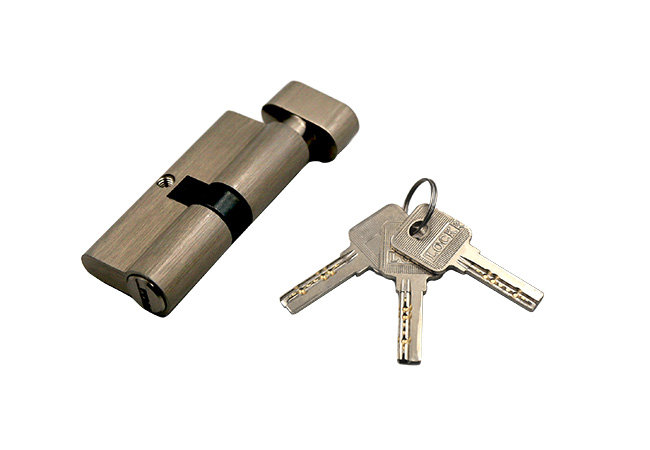
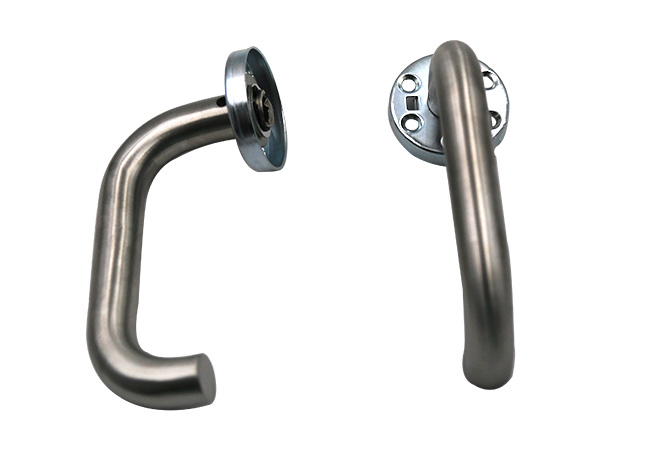
JW-Lock Fire Rated Door Lock Body
| Size: | 72*55 Lock Body |
|---|---|
| Material | Stainless Steel |
| Logo: | Availabe |
| Sample: | Availabe |
| Finish: | Cutomized |
| Cylinder: | Brass / Znic |
| Packing: | White Box |
| Key: | 3 Brass Keys |
Commercial Fire Door Locks
The lock body of the fireproof lock utilizes a double-bolt anti-pry structure, meets safety and quality standards, and has passed a 90-minute high-efficiency fire resistance test.
When faced with a fire hazard, it can effectively prevent the spread of fire and it plays an important role in people’s emergency escape.
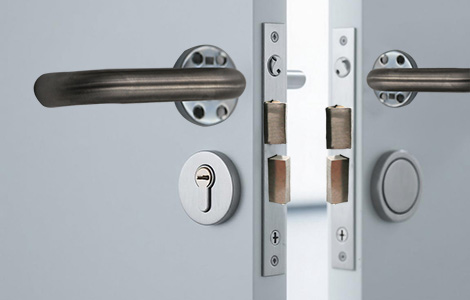
Where Are Fire Door Locks Required To Be Used?
Fire-rated mortise lock bodies are a regulated door hardware component. In a severe disaster, a standard lock could create an obstacle and delay evacuation; however, the core function of a fire-rated lock is to maintain a secure closure during a fire, preventing the spread of danger to other areas and allowing occupants more time to evacuate safely. Therefore, the installation of fire-rated door locks should be mandatory in such public areas.
- Residential Buildings: Homes are often more susceptible to fire; locks here must ensure security while maintaining functionality for emergency escape.
- School Public Areas: Locks used here are typically fire-rated passage locks or privacy locks, designed to withstand the wear and tear of frequent daily use.
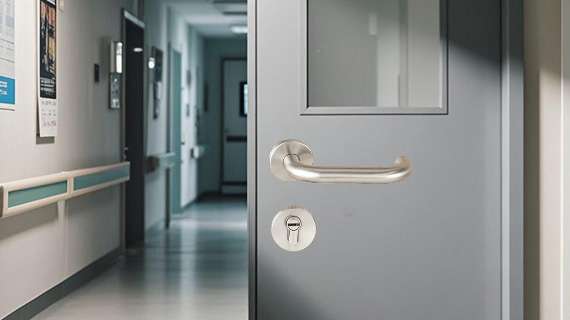
- Hospital Corridors: Mortise lock bodies in these areas must provide fire resistance while also supporting privacy functions.
- Hotel Projects: Hotel chains specify fire-rated mortise locks that ensure secure locking while operating quietly.
Related Products
You may also be interested in our other product detail pages.
FAQ
A fire-rated door lock is designed to maintain its locking function and effectively block the spread of fire and smoke, even when exposed to fire conditions. In other words, a compliant fire-rated door lock prevents the spread of flames or smoke for a specified period of time.
No, that is a common misconception for many people. A fire door lock does not automatically lock when exposed to heat.
No, most door locks do not meet fire-resistance standards.
A fire-rated door lock must comply with fire-safety certifications and safety testing requirements; manufacturers are required to undergo rigorous fire-resistance testing and safety certification before their products can be used on fire doors. This is because, in the event of a fire, a lock that fails to meet these standards could lead to risks to personal safety and result in property damage.
A fire door lock holds a fire rating not merely because of its materials or marketing claims, but because it has passed globally standardized fire tests and obtained a certificate providing a record of its actual fire performance.
This is mandatory.
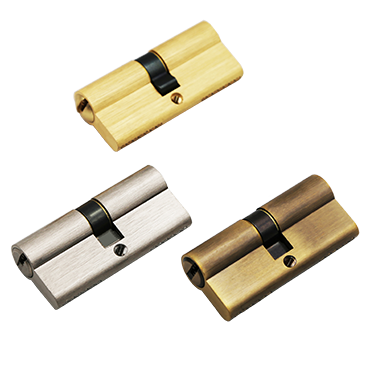
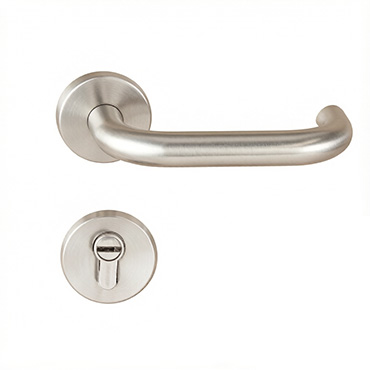
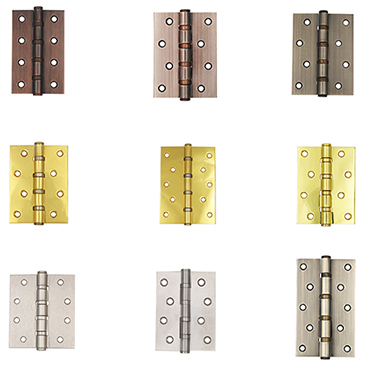
A fire door constitutes a complete assembly comprising the door leaf, frame, hinges, mortise lock, handle, lock cylinder, door closer, and other components. The entire assembly must comply with fire safety standards and possess the appropriate fire rating; this rating applies to the complete door assembly.