


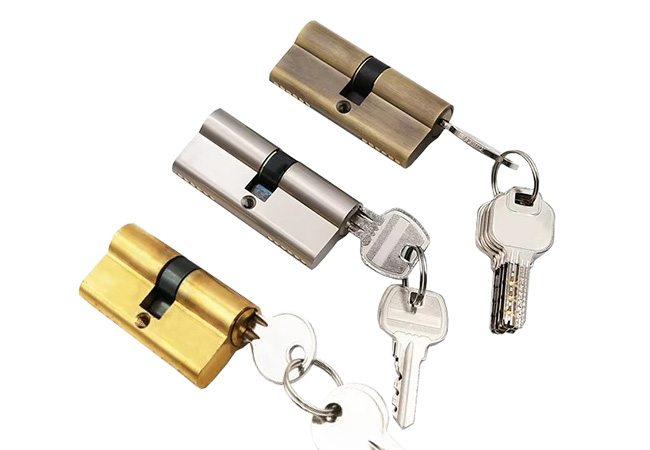
Double Cylinder Lock with Durable Design for Home
| Total Length: | 30-120 mm |
|---|---|
| Keys: | Iron/Brass |
| Finish: | AB/AC/CP/NP/SN |
| Sample: | Permitted |
| Packing: | White Box |
| Color: | Black/Gold/Bronze/Silver |
| Material: | Brass, Zinc Alloy, Aluminum Alloy |
70mm Double Cylinder Lock with Customization Details
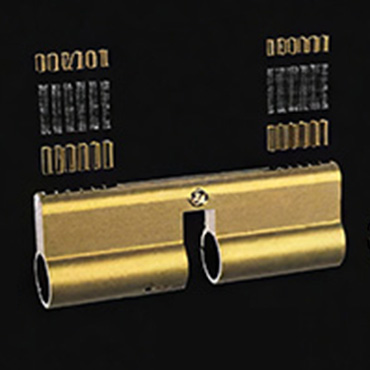
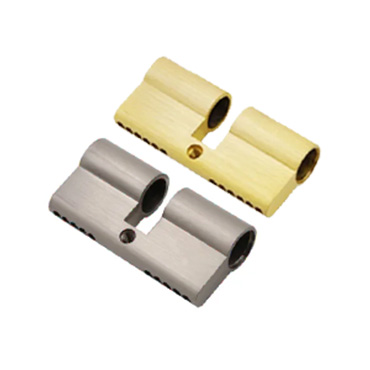
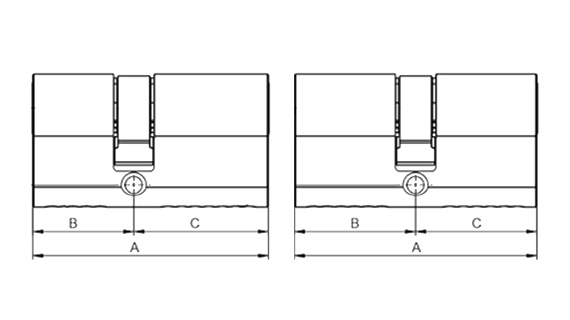
The Lengths of the Two Sides Are Not Necessarily Equal from Double Cylinder Lock
If you need to purchase double cylinders for an apartment building renovation, it is crucial to verify the cylinder length and provide these specific measurements to the manufacturer.
Many buyers simply send a product image and ask for a price quote based on a total length of 70mm, without providing further details; relying solely on the total length is insufficient. The cam—the rotating part that actuates the lock—can be positioned in the center, or offset to the left or right. For instance, if you need 70mm double cylinders for an apartment building that requires offset cylinders, purchasing a standard 70mm cylinder with a centered cam would be incorrect; while the total length matches, the distances from the cam to each end are unequal.
Enhance Exterior Door Security Double Lock Cylinder with Keys
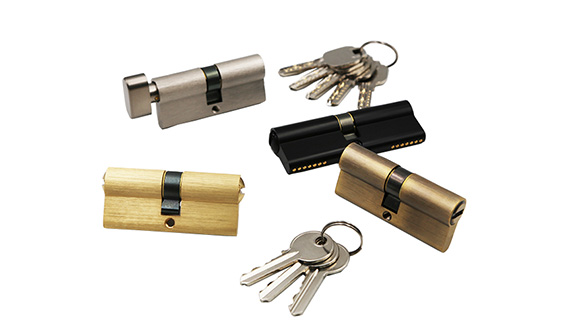
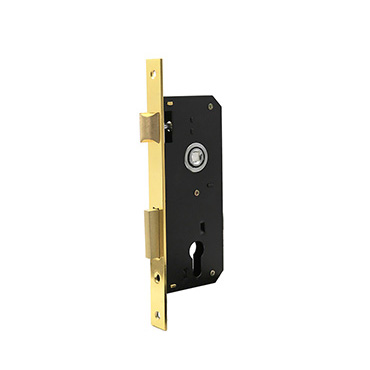
A combination of a double-cylinder lock (with keys), a mortise lock body, and door handles provides a higher level of security; such locks are often suitable for exterior residential doors. Installed within the door itself, they make it extremely difficult to force entry through violent impact from the outside.
Using the correct key allows the lock cylinder to be operated easily; without the right key, the internal pins and the key’s bitting do not align, preventing the cylinder from turning and making it impossible to open the lock.
Related Products
FAQ
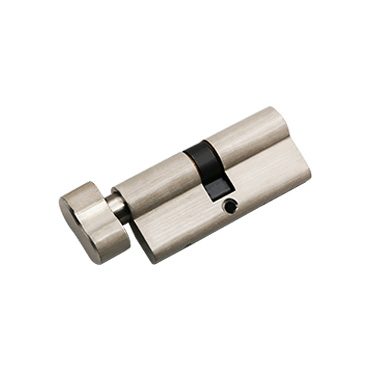
With a double-cylinder lock, the same key can be used to operate the lock mechanism from both sides. In contrast, a single-cylinder lock is operated by a key on one side, while a thumb-turn is used to open the door from the other.
There are many reasons why a lock cylinder may fail to function properly; the following are the most common:
- Debris inside the keyway
- Severe wear on the key’s bitting, causing it to stick or bind when inserted
- Rust formation inside the lock cylinder
- The mounting screw securing the lock cylinder has come loose
- The cam is damaged, preventing rotation
- Operation with an incorrect key